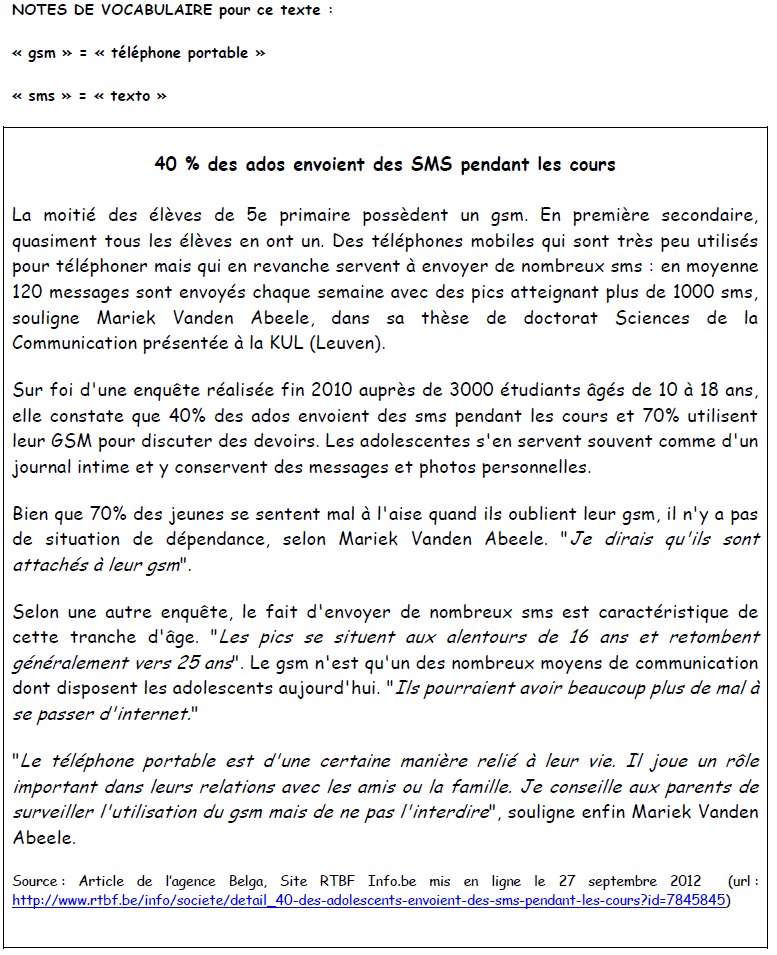
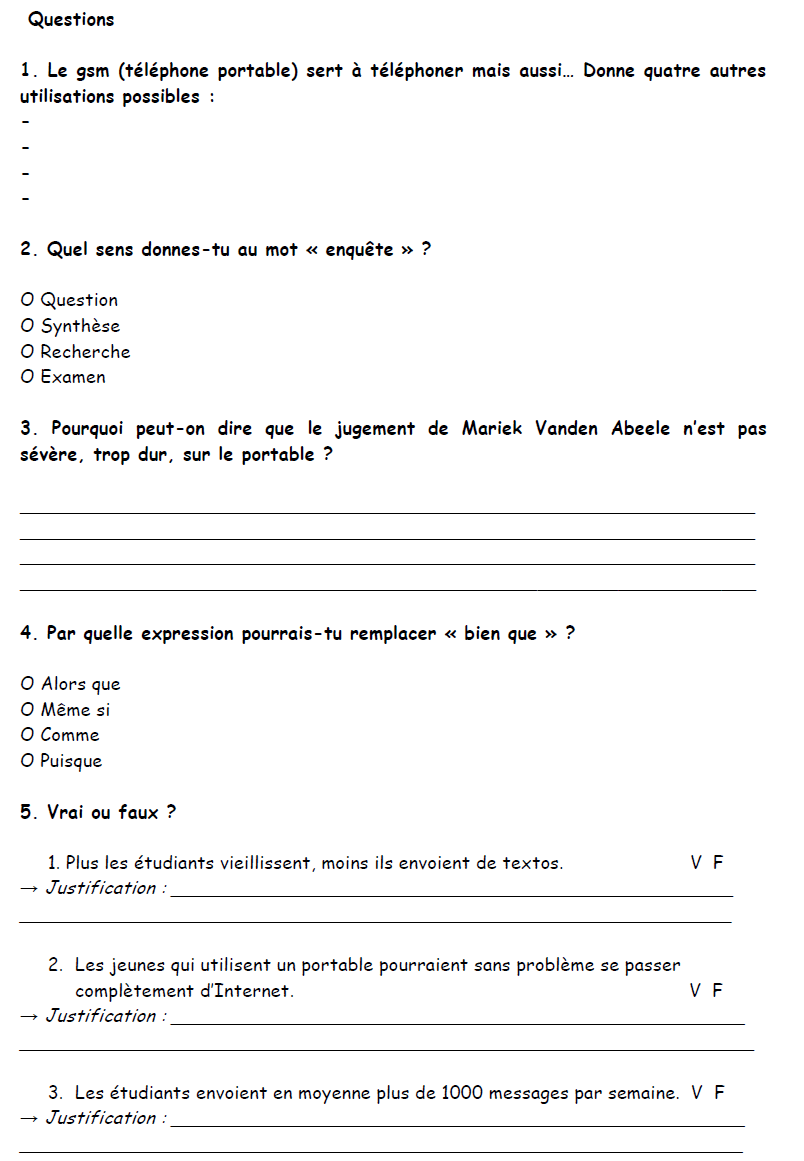
Practice French to acquire or review vocabulary, discuss a point of view in French and simulate DELF B1 examination.
Receive More French Practices with Corrections and Feedbacks
Listen to the following audio and read the transcript below. Find definition and meaning of highlighted words Le Train bleu : la star du rail des années 20 et 30 C’est le 10 décembre 1922 que le «premier» Train bleu est inauguré à Nice. Il transporte en moins de vingt heures les voyageurs de Calais … Read more
Use of subjunctive The subjunctive is used mostly with verbs or adverbs expressing desire, doubt, or eventuality; it may also express an order. It is almost always preceded by the conjunction que (that). Ex: Il faut que nous partions // Tu preferes qu’il vienne Note: it is possible to replace the conjugated subjunctive form with indicative … Read more
Listen to the French audio below Practice vocabulary Register to access the transcript and receive feedbacks
1) Review connectors in French – Expression cause, consequence, and objectives 2) Exercise: Select the right connectors in the following text Register to access the practice and receive feedback
November 11th is the commemoration of the end of the 1st world war. Several symbols are referring to the event. 1. Coquelicots et bleuets, fleurs symboles de la Grande Guerre Listen to words listed in green below Le coquelicot et le bleuet sont devenues les fleurs symboles de la guerre de 1914-1918 . Dans les … Read more
SECTION 1 – noms Every noun in French has a gender – a chair (une chaise) is feminine, a bed (un lit) is masculine… So how do you know which gender is a noun? Easy steps 1) Use google translate. Make sure to use an article (a) before the noun. When you do that, the … Read more
The subjunctive is used mostly with verbs or adverbs expressing desire, doubt or eventuality; it may also express an order. It is almost always preceded by the conjunction que (that). Exercise Complete the following sentences [use conjugation tool] 1. Il faut que tu (être) à l’heure à ton cours. 2. Le professeur exige qu’ils (écrire) au moins ce … Read more
Listen French online – Exercise of oral comprehension in French
Le Passe composé est un temps très utilisé à l’oral. Il est composé de l’auxiliaire être ou avoir au présent dans la 1ère partie; et du participe passé du verbe conjugué dans la seconde partie Exemple: J’ai terminé mes devoirs — ‘ai’ = auxiliaire avoir / ‘terminé’ = participe passé du verbe ‘Terminer’ Souvent c’est le verbe … Read more